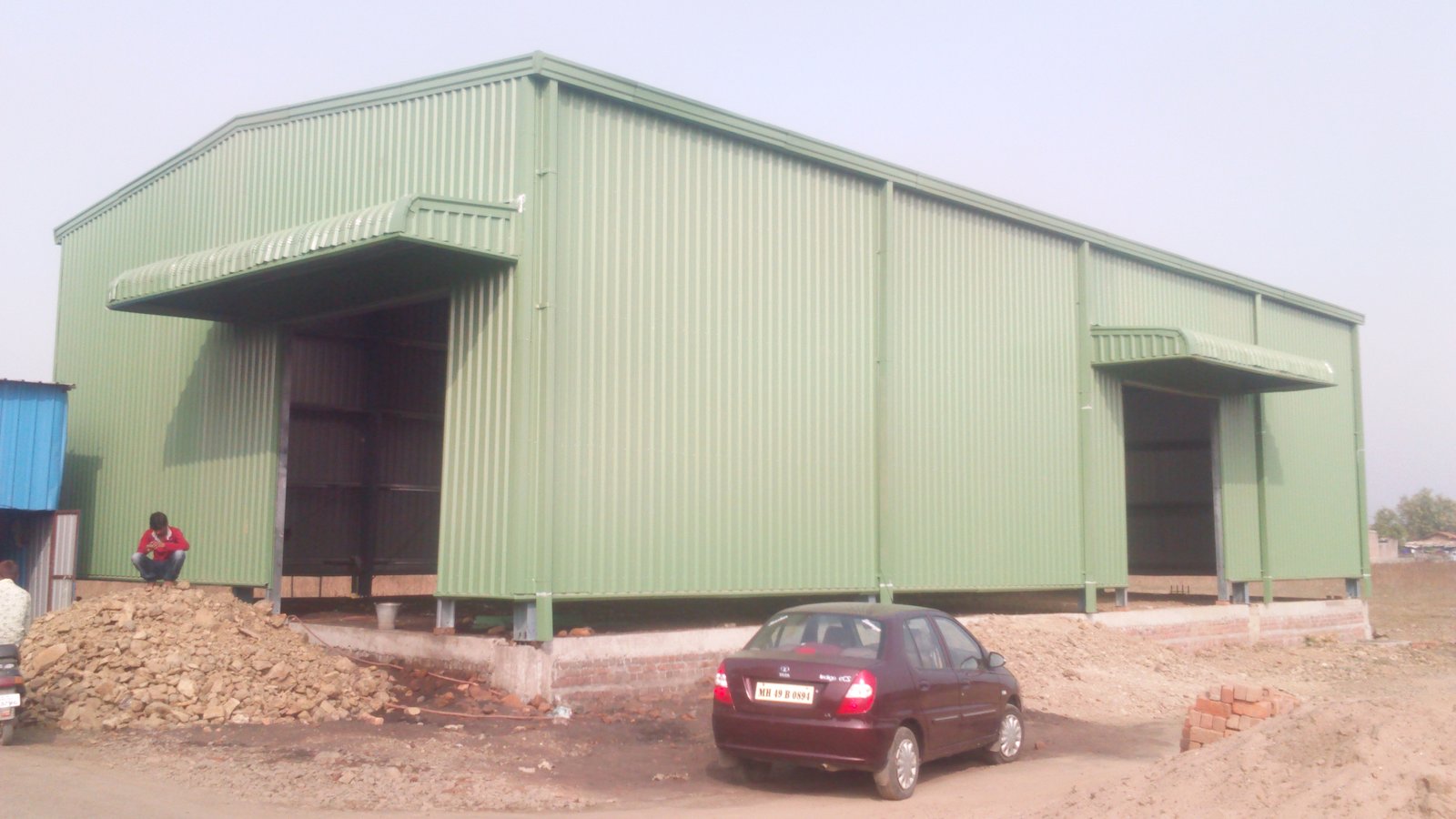
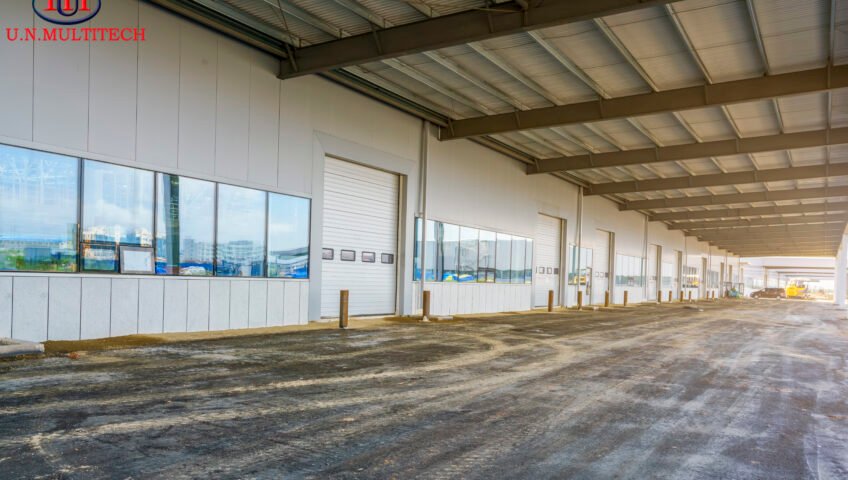
PEB Building Manufacturer: Revolutionizing Industrial Infrastructure in Nagpur

Pre-engineered buildings (PEB) have become a cornerstone of modern industrial development, and Nagpur—now emerging as a major logistics and manufacturing hub—is experiencing a significant surge in their adoption. As industries demand faster construction, economical solutions, and structures capable of handling intensive operations, the importance of a trusted PEB building manufacturer in Nagpur continues to grow.

Nagpur’s strategic central location, expanding industrial zones, and improving connectivity have contributed to the rising need for durable, scalable, and efficient building solutions. Today, PEB manufacturers in the region are meeting this demand through advanced engineering methods, innovative design systems, and high-quality fabrication processes that ensure long-lasting performance and operational reliability.

The Rising Importance of PEB Systems in Nagpur

Industries across Nagpur—ranging from logistics and warehousing to automotive, engineering, manufacturing, and cold storage—are increasingly shifting toward PEB structures due to their proven efficiency. Unlike traditional construction, which often suffers from delays, weather disruptions, and high material consumption, PEB systems use factory-built components that are assembled quickly at the site. This results in faster project completion, predictable timelines, and greater structural reliability.

The rapid industrial development in areas like MIHAN, Butibori, and Hingna has further accelerated this shift. Companies operating in these regions require wide, clear-span buildings, flexible layouts, and structures capable of supporting heavy machinery. PEBs deliver all these benefits while reducing both initial construction costs and long-term maintenance expenses.

How Nagpur’s PEB Manufacturers Are Shaping Industrial Growth

PEB manufacturers in Nagpur follow a structured and efficient workflow that includes design, engineering, fabrication, and installation. Using advanced software, they develop precise structural models that meet specific wind, seismic, load, and environmental requirements of the region. These designs guide the fabrication of steel components with exceptional accuracy.

Every component undergoes strict quality inspections before dispatch. Once delivered to the site, the assembly process is quick, requiring minimal labor and equipment. This streamlined approach helps businesses expand sooner, reduces downtime, and provides flexibility for future modifications.

Additionally, modern PEB manufacturers integrate sustainable practices by minimizing material waste and offering energy-efficient features such as insulated panels, natural ventilation, and solar-compatible roofing systems.

Wide Applications of PEB Structures in Nagpur’s Industrial Sectors

The adaptability of PEB buildings makes them suitable for a broad spectrum of industrial and commercial applications. Warehouses, cold storage units, workshops, distribution centers, machine rooms, and manufacturing plants frequently rely on PEB structures. These buildings offer clear, column-free spaces that enhance workflow, support heavy machinery, and accommodate custom layouts.

Nagpur’s growing role as a logistics hub has increased the demand for PEB warehouses that facilitate efficient goods movement. Manufacturing units prefer PEBs due to their strength, load-bearing capacity, and long-term durability. Even commercial and institutional projects—such as showrooms, aircraft hangars, and community facilities—are increasingly utilizing PEB technology.

Why Selecting the Right PEB Manufacturer Is Crucial

At UN Multitech, we ensure every structure meets the highest standards of safety, durability, and functionality. From choosing superior-grade steel to incorporating innovative design enhancements, our expertise plays a vital role in the building’s longevity and operational performance.

In Nagpur, UN Multitech is recognized for delivering fully customized solutions, timely project execution, and end-to-end support. Our in-depth understanding of local industrial needs and climatic conditions helps us create buildings that are not only practical today but also ready for future expansion.

UN Multitech is redefining industrial architecture in Nagpur by offering modern, efficient, and sustainable PEB solutions. As the city continues its journey toward becoming a leading industrial and logistics powerhouse, the adoption of PEB structures is set to rise even further. With unmatched strength, flexibility, and cost-efficiency, PEB systems represent the future of industrial development—and Nagpur is proudly leading this evolution.

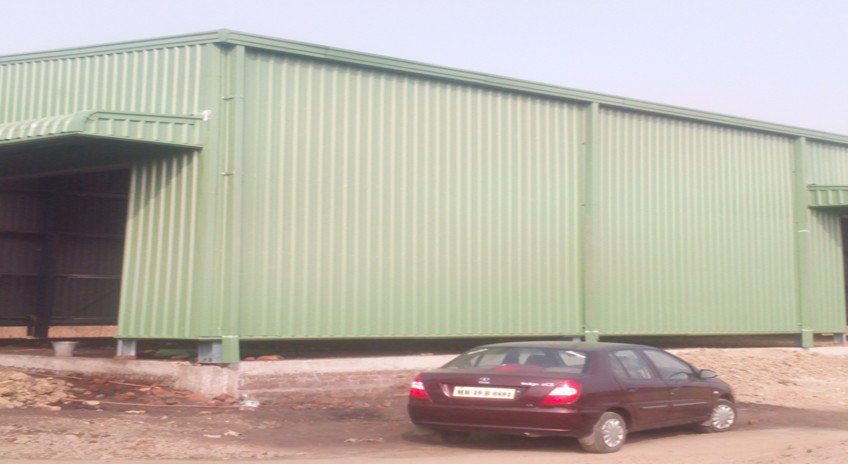
PEB Industrial Sheds vs. Traditional Structures: Which is the Better Choice?

Industrial construction has seen a paradigm shift over the years, with Pre-Engineered Buildings (PEBs) emerging as a modern alternative to traditional structures. Whether you’re planning a warehouse, factory, or storage unit, choosing the right construction method is crucial. In this blog, we’ll compare PEB industrial sheds and traditional structures to help you make an informed decision for your next project.

What Are PEB Industrial Sheds?

Pre-engineered building (PEB) industrial sheds are prefabricated steel structures manufactured off-site in a factory and assembled at the construction site. They are designed to meet specific project requirements using advanced technology and modern engineering practices.

In contrast, traditional structures involve on-site construction using conventional materials like concrete, bricks, and wood, with designs typically developed independently for each project.

Key Differences Between PEB Industrial Sheds and Traditional Structures

Aspect PEB Industrial Sheds Traditional Structures
Construction Speed Faster due to prefabrication Slower due to on-site processes
Cost Cost-effective with optimized materials Higher costs due to labor and wastage
Material Usage Steel, lightweight and recyclable Bricks, concrete, and wood, prone to wastage
Design Flexibility High, with customizable layouts Limited flexibility
Durability High, resistant to weather and seismic forces Depends on materials used
Sustainability Eco-friendly and recyclable Generates more waste


Advantages of PEB Industrial Sheds

  1. Time Efficiency

PEBs are manufactured in a factory while the site is prepared, allowing simultaneous processes. This reduces construction time by up to 50% compared to traditional methods.

  1. Cost Savings

PEBs save costs in several ways:

  • Material Optimization: Steel components are precisely engineered, minimizing waste.
  • Labor Costs: Prefabricated components require less on-site labor, reducing expenses.
  • Maintenance: Steel sheds are highly durable, requiring minimal maintenance over time.
  1. Customizable Design

PEB sheds are highly adaptable, offering customization in dimensions, layouts, and aesthetics. Whether you need an open-plan warehouse or a partitioned factory floor, PEBs can be tailored to your requirements.

  1. Durability and Strength

Made from high-grade steel, PEB sheds are resistant to extreme weather conditions, corrosion, and seismic forces. This ensures the longevity of your investment.

  1. Environmentally Friendly

The use of recyclable steel and minimal construction waste makes PEB sheds a sustainable choice, contributing to a greener future.


Limitations of PEB Industrial Sheds

While PEB sheds offer numerous benefits, they may have certain limitations:

  • Initial Costs for Customization: Unique designs or advanced features may slightly increase upfront costs.
  • Transportation Challenges: Prefabricated components require efficient logistics for delivery.

These challenges can be mitigated by partnering with an experienced PEB provider who ensures smooth execution.

Advantages of Traditional Structures

  1. Familiarity

Traditional structures are well-understood and widely used, making it easier to find local contractors and resources.

  1. Material Availability

Bricks, concrete, and wood are readily available in most regions, reducing dependency on specialized suppliers.

  1. Aesthetic Versatility

Traditional materials allow for certain architectural designs, like ornate facades or intricate detailing, which may be challenging with PEBs.

Limitations of Traditional Structures

  1. Longer Construction Time

The on-site nature of traditional construction often leads to delays caused by weather, material shortages, or labor issues.

  1. Higher Costs

Traditional construction typically involves higher labor costs, material wastage, and ongoing maintenance expenses.

  1. Environmental Impact

Concrete and bricks generate significant carbon emissions, and construction waste can contribute to environmental degradation.

  1. Limited Flexibility

Traditional structures are less adaptable to future modifications or expansions compared to PEB sheds.

When to Choose PEB Industrial Sheds

PEB industrial sheds are ideal for:

  • Warehouses: Offering large, open spaces for storage and logistics.
  • Manufacturing Units: Customizable layouts for machinery and production lines.
  • Cold Storage: Insulated panels for temperature-controlled environments.
  • Aircraft Hangars: Large spans without internal columns.

If speed, cost-efficiency, and scalability are priorities, PEBs are the clear choice.

When to Choose Traditional Structures

Traditional structures might be a better fit for:

  • Residential Buildings: Where aesthetic appeal is a primary concern.
  • Historical Projects: Where traditional materials and methods are required.
  • Small-Scale Projects: With limited budgets or specific design preferences.


PEB Industrial Sheds vs. Traditional Structures: A Cost Analysis

Expense Type PEB Industrial Sheds Traditional Structures
Material Costs Lower due to optimization Higher due to wastage
Labor Costs Reduced with prefabrication High due to longer construction times
Maintenance Minimal, as steel is durable Frequent repairs and upkeep
Energy Efficiency High with insulated panels Moderate, depending on design


Future Trends in PEB Industrial Sheds

As technology advances, PEB sheds are incorporating innovative features:

  • Smart Buildings: IoT integration for automation and monitoring.
  • Sustainable Materials: Use of green steel and energy-efficient designs.
  • Modular Expansions: Easy scalability to accommodate business growth.

These trends further cement the position of PEB sheds as the future of industrial construction.

Conclusion

When it comes to modern industrial construction, PEB industrial sheds outshine traditional structures in terms of speed, cost, durability, and sustainability. They are a versatile and reliable solution for businesses looking to build efficiently without compromising on quality.

For top-notch PEB industrial shed solutions, trust the expertise of UN Multitech. With a proven track record of delivering innovative and customized construction services, they are your go-to partner for all industrial building needs. Visit their website today to explore how they can bring your vision to life!


PEB Sheds

PEB Shed Advantages

PEB (Pre-Engineered Building) shed structures offer several advantages over regular sheds.  Here we are offering the following benefits to our clients by building PEB Sheds. 

  1. Cost-Effective: PEB sheds are typically more cost-effective compared to traditional construction methods. The design, fabrication, and installation processes are streamlined, reducing labor and material costs.
  2. Quick Construction: PEB sheds are pre-engineered, meaning components are fabricated off-site and then assembled on-site. This significantly reduces construction time compared to traditional building methods.
  3. Customization: Despite being pre-engineered, PEB sheds offer a high degree of customization. They can be tailored to specific dimensions, shapes, and requirements, allowing for flexibility in design.
  4. Structural Integrity: PEB shedss are designed by engineers to meet specific structural requirements, ensuring stability and durability. This makes them suitable for various weather conditions and environments.
  5. Energy Efficiency: PEB shedss can incorporate energy-efficient features such as insulation, natural lighting options, and ventilation systems, leading to reduced energy consumption and operational costs.
  6. Sustainability: Many PEB sheds systems are constructed using recycled materials and are designed to be recyclable at the end of their life cycle. Additionally, their efficient construction process generates less waste compared to traditional building methods.
  7. Versatility: PEB sheds can serve various purposes, including warehouses, workshops, storage facilities, agricultural buildings, and recreational spaces. Their versatility makes them suitable for a wide range of applications.
  8. Low Maintenance: Once installed, PEB sheds typically require minimal maintenance. This lowers long-term operational costs and ensures a hassle-free ownership experience.
  9. Space Utilization: PEB sheds can be designed with clear-span interiors, maximizing usable space without the need for interior columns or supports. This allows for efficient utilization of the available area.
  10. Regulatory Compliance: PEB sheds designs are often compliant with local building codes and regulations, ensuring a smooth approval process from regulatory authorities.

Overall, PEB sheds offer a cost-effective, efficient, and versatile solution for various building needs, making them a popular choice in many industries.

Contact unmultitech for Industrial sheds and Effective price.